COMPETE2030-FEDER-01418000
From waste to resource.
Integrated optimisation of industrial processes for waste valorisation.
A consortium of two companies and three non-business research and innovation organisations turning the wastewater from potato and carrot peeling and the sludge from the wastewater treatment plant into premium pet food, biocoagulants, biogas and biochar.
Valorising waste to develop new value-added products.
CAMP&Valor sets out to valorise waste in order to develop new value-added products, opening the way into new market sectors and making processes more sustainable through an Integrated Operational Solution that brings together the various technologies developed in the project.
Recover, Transform, Valorise
- 01
Wastewater management
Optimise the washing water network; improve the separation of water from waste so the water can be reused and the peeling waste recovered (starch and peel).
- 02
Valorisation of carrot and potato peeling waste
Recovery and valorisation of compounds and products eluted in the wastewater, to develop premium pet food formulations and biocoagulants for the primary treatment of effluents.
- 03
Conversion of treatment plant sludge
Establish anaerobic digestion and pyrolysis processes for the sludge to produce biogas and biochar; valorise the biochar in agriculture.
Two waste streams, four products back on the market.
The waste from potato and carrot peeling stops being just a cost. Each stream is recovered, transformed and returned to the process or channelled into a new market.
Peeling wastewater
Potato and carrot.
Recover and valorise
Eluted compounds and native starch, reused or modified.
Premium pet food
O1Biocoagulants for effluents
O1 · O5
Treatment plant sludge
By-product of the site's effluent treatment.
Conversion of treatment plant sludge
Anaerobic digestion and pyrolysis of the sludge to produce biogas and biochar.
Biogas
O2Biochar for agricultural soils
O2 · O3
A single Integrated Operational Solution
All the technologies developed in the project work together: less water, less sludge, new products and new markets.
Six general objectives, tied to the stages and to the solutions to be developed.
Six general objectives were defined, tied to the stages and to the innovative/SMART solutions identified:
- O1
Develop new premium pet food formulations and new biocoagulants for the primary treatment of effluents, through the recovery and valorisation of compounds and products eluted in the wastewater from the peeling process;
- O2
Implement solutions to valorise the treatment plant sludge through the production of biogas and biochar;
- O3
Test the biochar to improve soil health, increase agricultural productivity and promote carbon sequestration;
- O4
Develop a more efficient washing and peeling system in order to reduce water consumption;
- O5
Improve effluent treatment with new, more sustainable coagulation and flocculation processes;
- O6
Integrate all the technologies developed into an Integrated Operational Solution, to increase sustainability and competitiveness and to create new products and markets.
Seven activities, from assessing the potential to managing the project.
The work plan has one activity for integrating the innovation generated and for economic valorisation (A1), four technical activities (A2 to A5), one communication and dissemination activity (A6) and one project management activity (A7).
- A1
Assessment of the exploitation potential of the waste
Review of the state of the art and of the market, to identify opportunities to develop and valorise the project's products and processes.
- A2
Valorisation of the waste eluted in the wastewater
Development of solutions to valorise potato and carrot peeling waste through compound recovery, the production of feed ingredients and effluent treatment.
- A3
Sludge valorisation
Valorisation of the treatment plant sludge to produce bioenergy and biochar.
- A4
Biochar valorisation in primary production
Validation of biochar as a strategy to improve soil health and promote plant growth.
- A5
Technological capacity building
Integration of the results obtained and capacity building within the companies, so they can apply the processes and products developed.
- A6
Communication and dissemination
Dissemination of the results and implementation of the project's dissemination plan.
- A7
Project management
Management and coordination of the project, ensuring that activities are monitored and that the partners work together.
Two companies and three non-business research and innovation organisations.
 CAMPOTECProject lead
 GPELLETS
 University of AveiroUAVR
 Faculty of Sciences, University of PortoFCUP
 Faculty of Engineering, University of PortoFEUP
Results, publications and project materials.
The project's results are shared as the work goes on, through events, publications and communication materials. This section is kept up to date by the consortium.
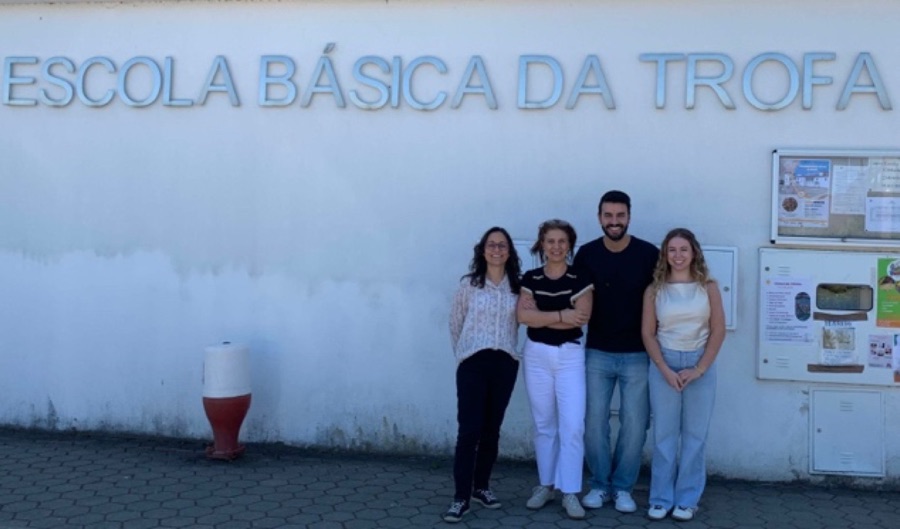
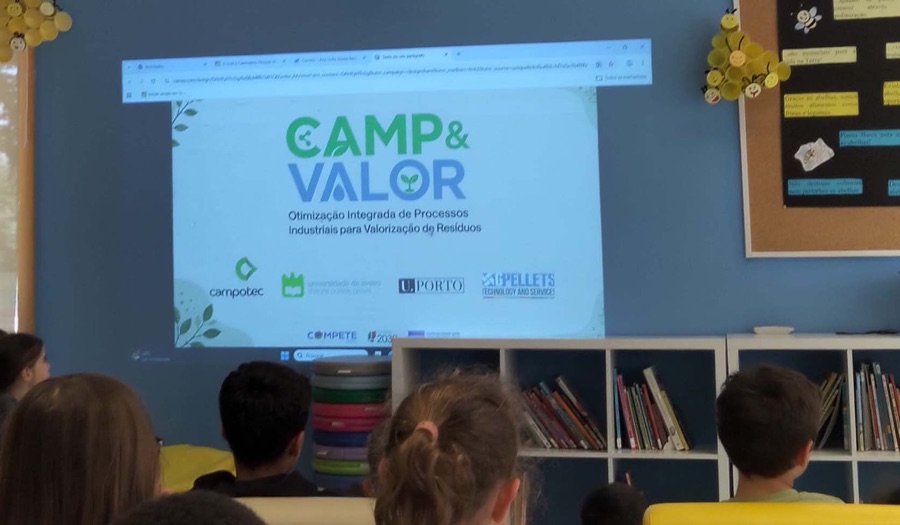
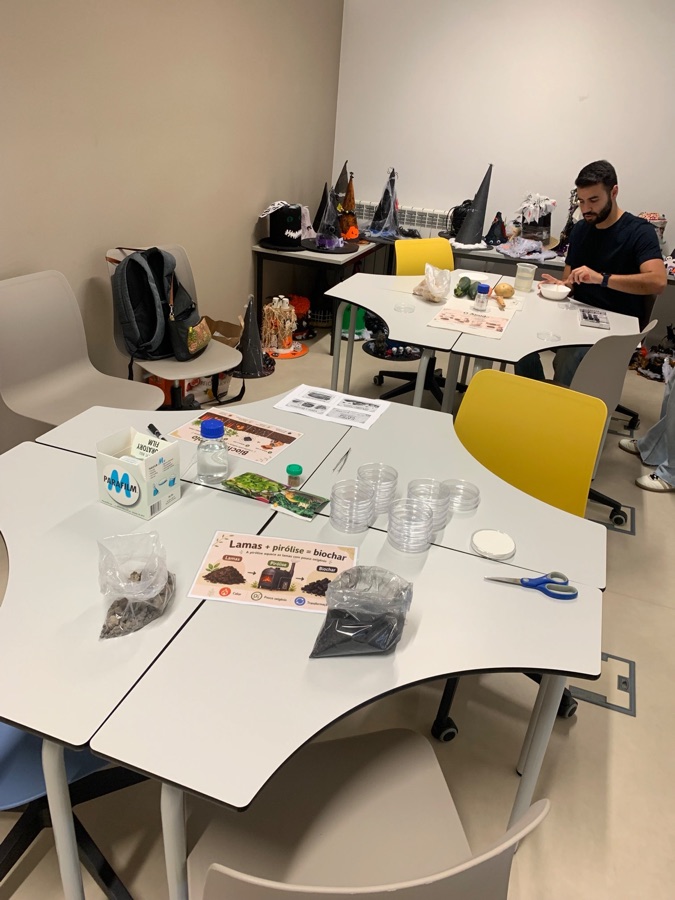
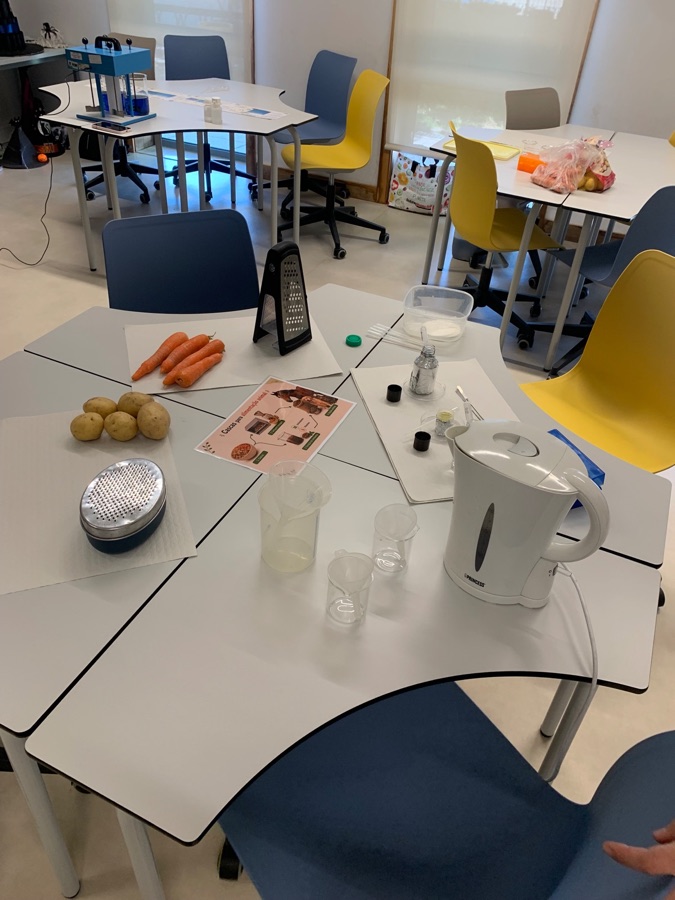
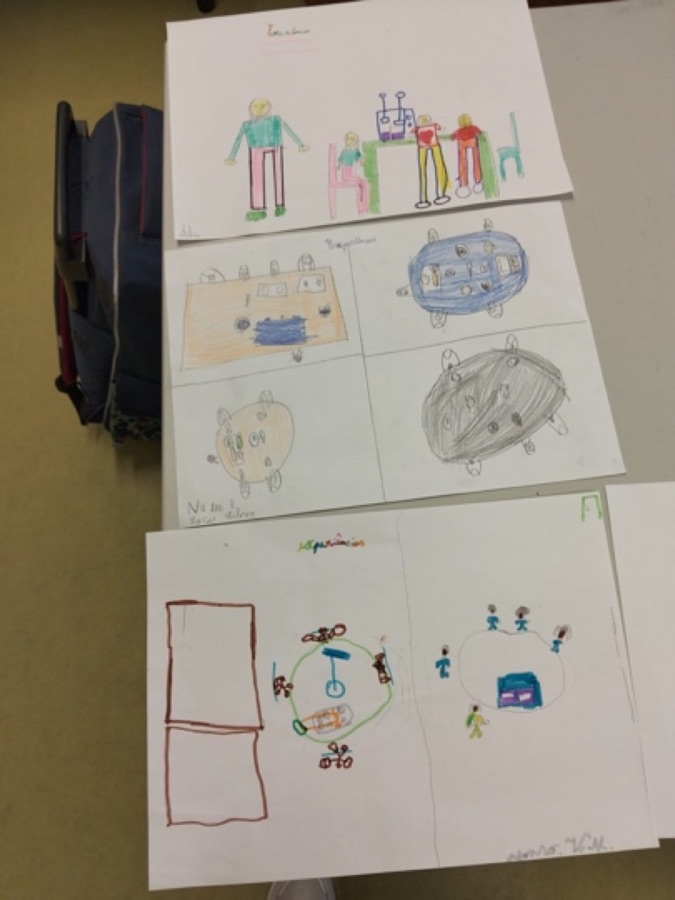
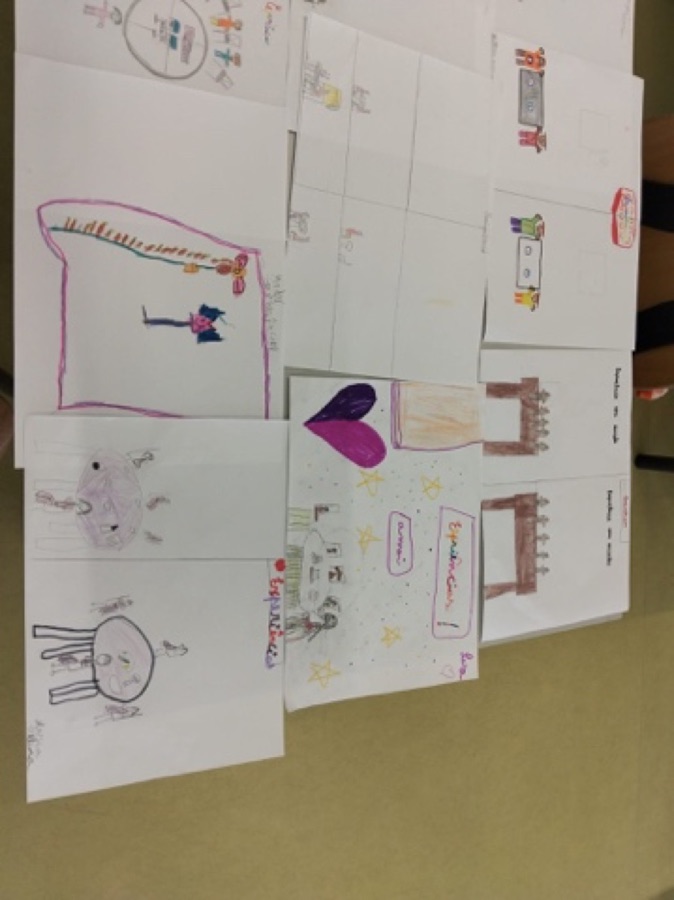
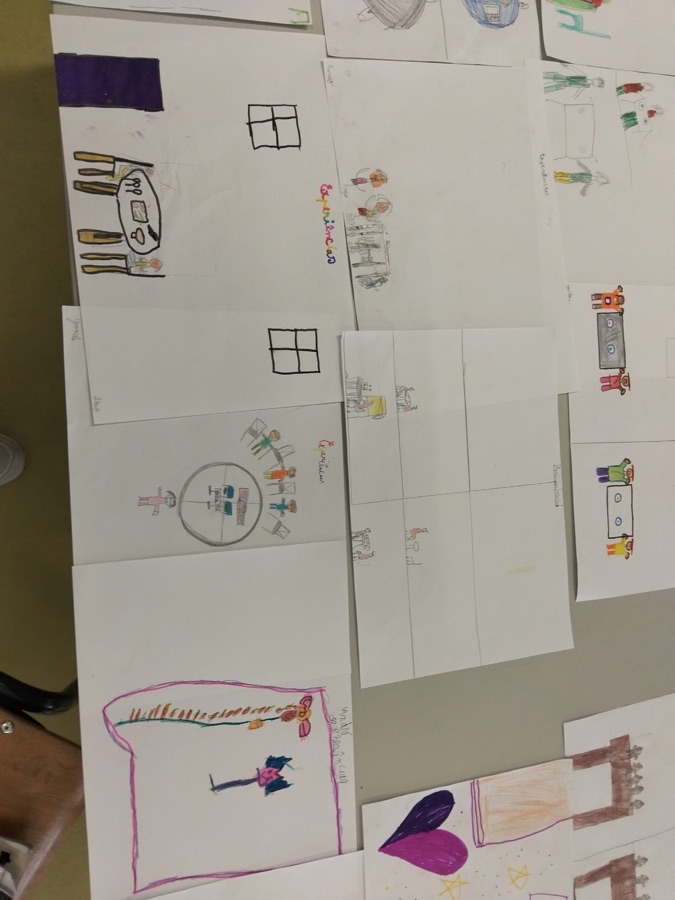
- Outreach session at Escola Básica da Trofa14 May 2026, Águeda. Sónia Silva, Susana Cardoso, Ricardo Ferreira and Inês Moreira presented the project to 40 second-year pupils and three teachers, followed by four hands-on activities on different areas of the project.
- University of Aveiro Summer Academy15 July 2026. Susana Cardoso and Sónia Silva ran the hands-on session “Natural antioxidants: from the laboratory to everyday use”, with 15 secondary school students.
- Turning Vegetable Residues into Coagulants: Sustainable Solutions for Agri-Food WastewaterIsabella T. Tomasi, Nuno Mateus Santos, Eren Gozubuyuk, Rui A.R. Boaventura and Cidália M.S. Botelho. The 9th International Electronic Conference on Water Sciences, 11 November 2025.
- Transforming Vegetable Waste into Functional Biosorbents: A Sustainable Approach to Treat Food Industry EffluentsLara Pereira, Olivia S.G.P. Soares, Cidália M.S. Botelho and Ricardo M. Ferreira. 5th Edition of the Online Conference Circular Economy: Make It Happen, 28 November 2025.
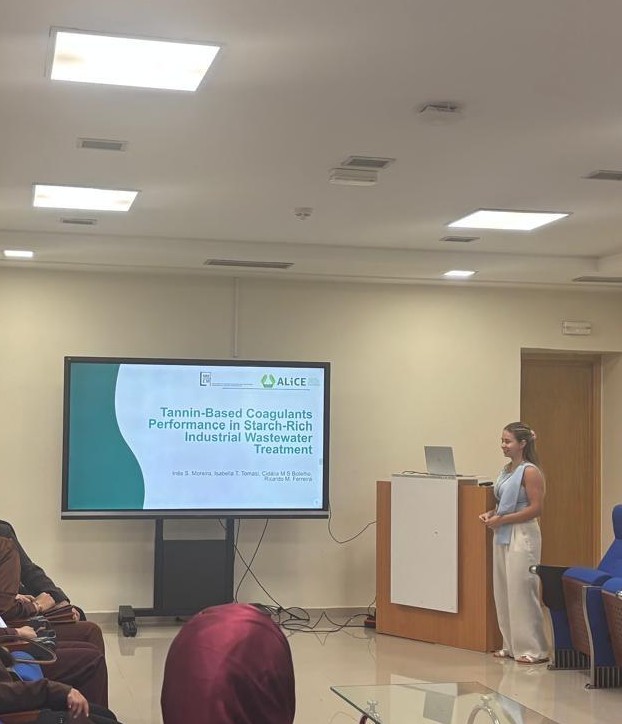
- Tannin-Based Coagulants Performance in Starch-Rich Industrial Wastewater TreatmentInês S. Moreira, Isabella T. Tomasi, Cidália M. S. Botelho and Ricardo M. Ferreira. International Congress: Applied Materials of Water and Environment, Agadir, Morocco, 23 and 24 April 2026.
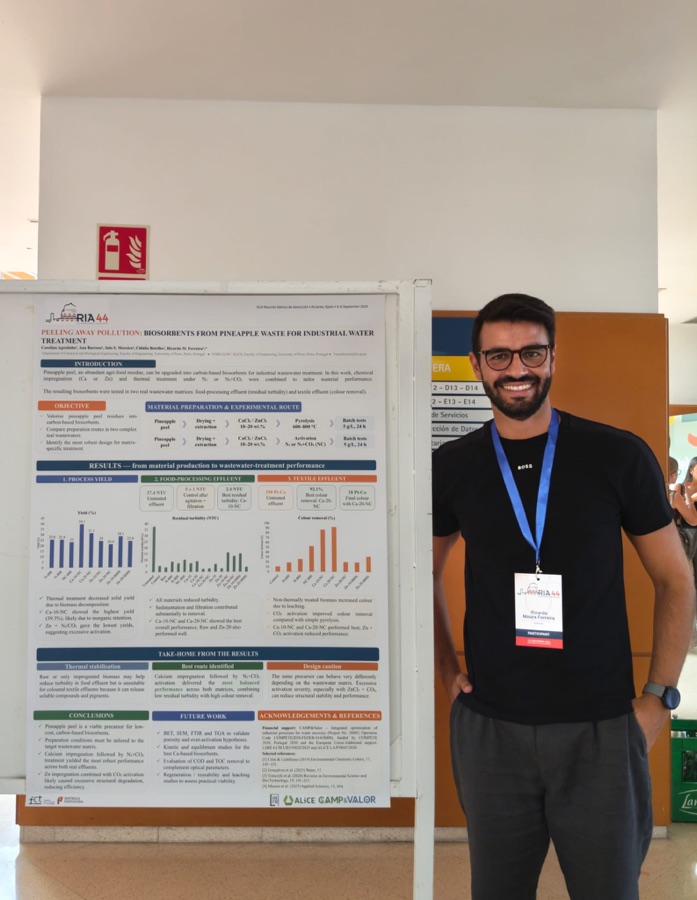
- Peeling Away Pollution: Biosorbents from Pineapple Waste for Industrial Water TreatmentCarolina Agostinho, Ana Barroso, Inês Moreira, Cidália Botelho and Ricardo M. Ferreira. 44th Iberian Adsorption Meeting, Alicante, Spain, 6 to 9 September 2026.
- Research project turns agri-food waste into sustainable innovationNotícias U.Porto, 30 October 2025. In Portuguese.
- LAQV-REQUIMTE newsletter, September 2025Edition mentioning the project. In Portuguese.
- LAQV-REQUIMTE newsletter, May 2025Edition mentioning the project. In Portuguese.
- LAQV-REQUIMTE newsletter, February 2025Edition mentioning the project. In Portuguese.
Operação cofinanciada pela União Europeia através do Programa COMPETE 2030.
Operation co-funded by the European Union through the COMPETE 2030 Programme.
- Total cost
- €1,289,401.75
- Eligible cost
- €1,289,401.75
- EU financial contribution
- €1,042,584.35
- EU co-funding rate
- 81%
- Programme
- Innovation and Digital Transition Programme
- Operation code
- COMPETE2030-FEDER-01418000

Get in touch with the project lead.
- Organisation
- CAMPOTEC Project lead
- Address
- Rua da Indústria n.º 2, 2560-393 Silveira, Portugal